The hotel was just by the Nile and after not liking the first room I was given, I was moved to a spectacular room with a wonderful river view. Luxor as a modern city is a massive upgrade over Aswan. The Steigenberger Hotel had multiple restaurants and a fully stocked bar. The city had many restaurants and places to eat outside the hotel – we didn’t try many, but they existed. As always, the hotel was the best place to eat because it had a menu with printed prices – no scope for someone to take you for a ride. Even though it was late, we went out for a stroll and came across the Winter Palace about a km away – the hotel I wanted to stay at but was sold out. Its location and view were spectacular with a vibrant walking street right in front.
I had three nights in the city, but that translated to just two full days. The first one was dedicated to the most famous landmark of the city – the Valley of Kings. There is said to be a dead side of the city and then a ‘live’ side, with the Nile separating them. All the dead were buried on the West side – the side the Sun sets and everyone lived on the East. A pyramid-shaped mountain formed the head of the valley where all the kings were buried. The Queens and the children were entombed in a valley right behind. These two valleys are aptly called the Valley of the Kings and the Valley of the Queens. Many tombs have been excavated in this area and there are probably several others that haven’t been found. Some of the excavated ones have been opened to public after the right infrastructure being installed while others are still being worked on and are closed. As would be expected in a patriarchal society, the Kings side is far more spectacular and well built – but with one major exception. The best maintained and most stunning tomb is in the valley of the Queens.
When a new Pharoah was enthroned he hired 120 craftsmen to start building his tomb. Why 120? I don’t know, but that was the legacy. The 120 men kept building till the Pharoah died and after that had 70 days to finish it – roughly the time taken to mummify the Pharoah’s body. The longer the Pharoah lived, the larger and more lavish their Tomb was likely to be. Needless to say, the tomb of Ramses II was the largest, but it has not yet been opened to the public. The other key factor was the time period the tomb was discovered. The ones opened up in the Christian era were looted and had nothing much left inside. Anything found in the last century wad well preserved. My guide helped my pick the three entries I got free with the ticket – Merenpetah (successor of Ramses II), Ramses III and Ramses IX. The first one was a relatively flat one, but had a lot of hyreographics on the walls. The second, very deep and colorful and the final one even more ornate with complex paintings that were well preserved.
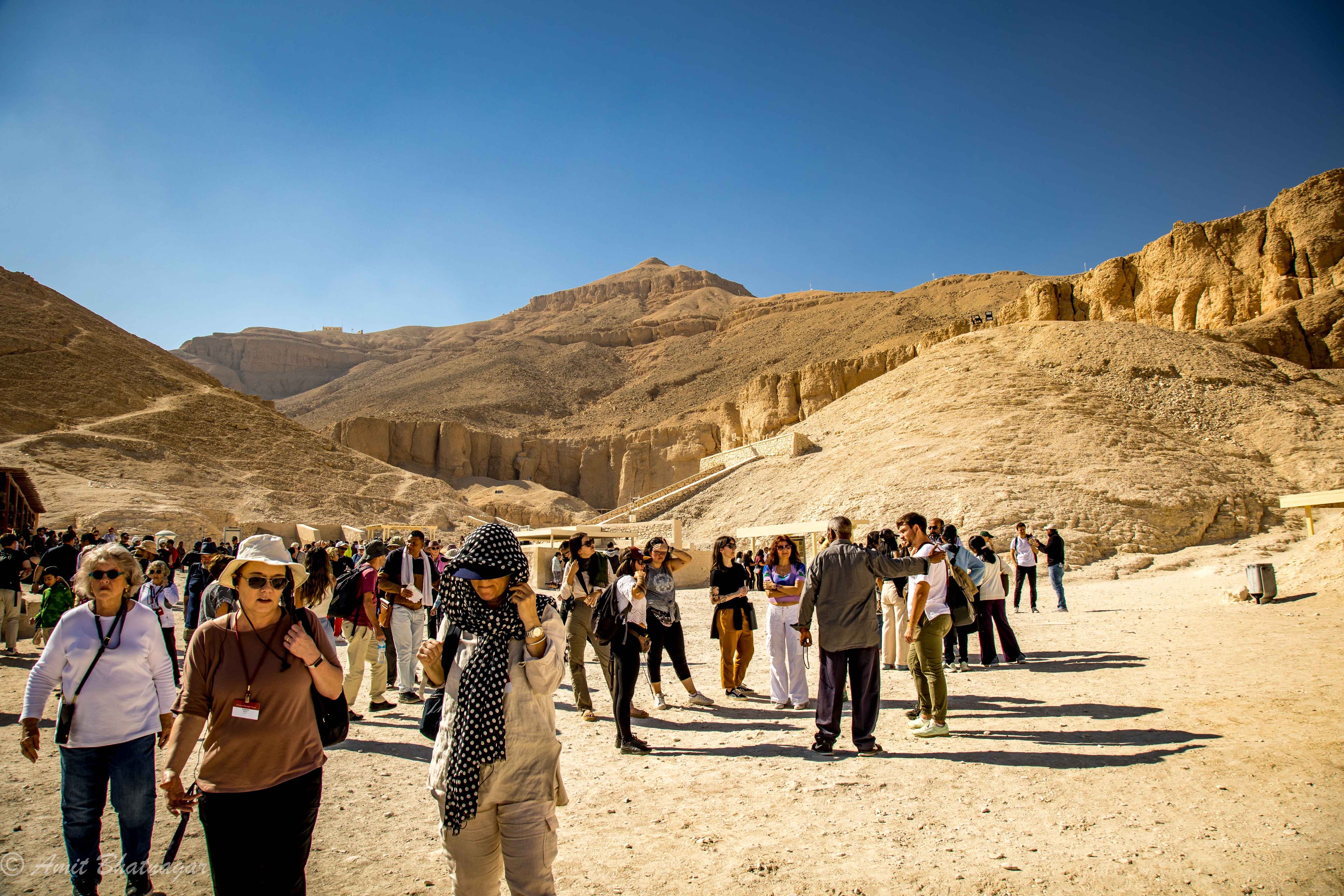
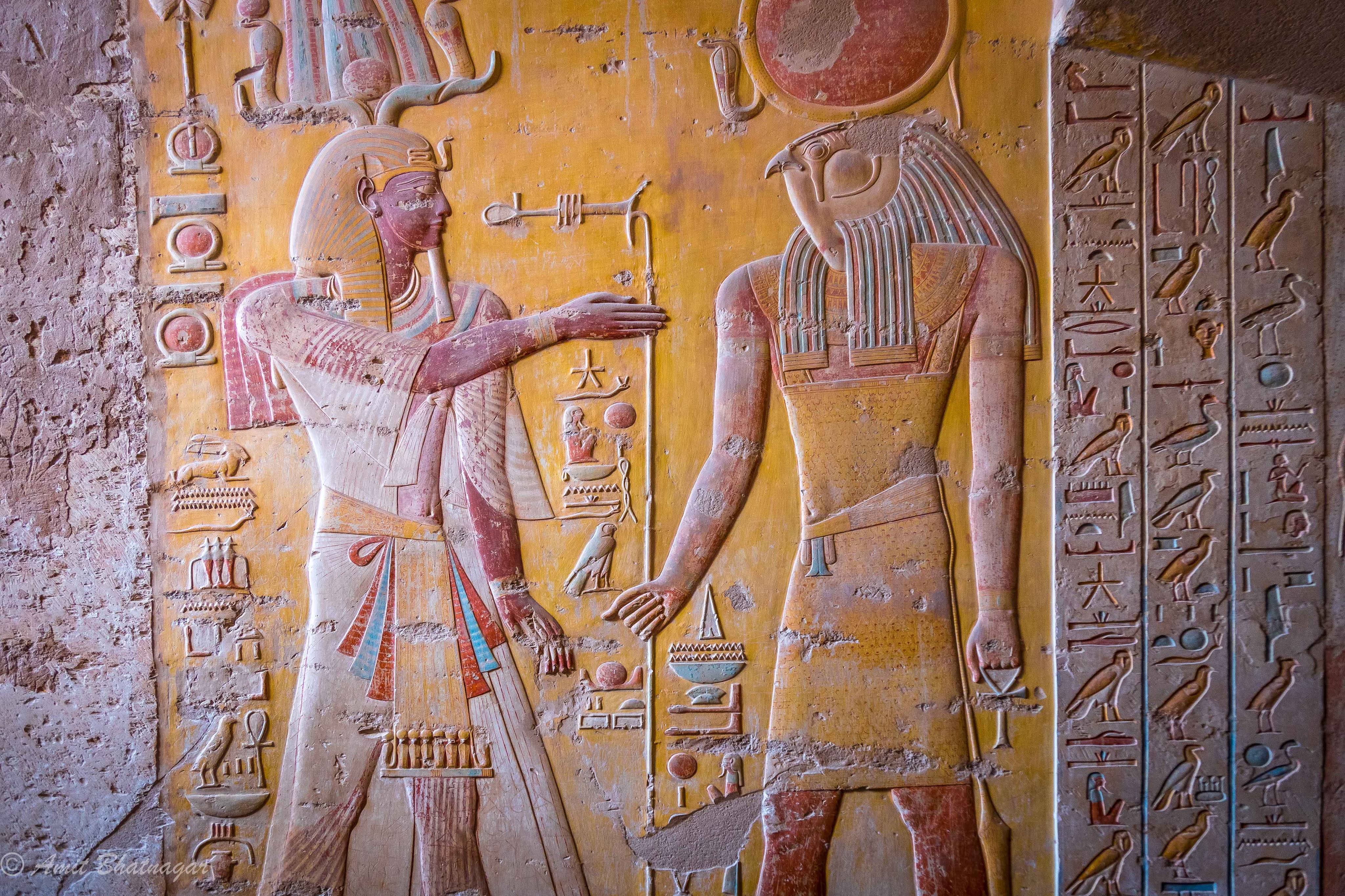
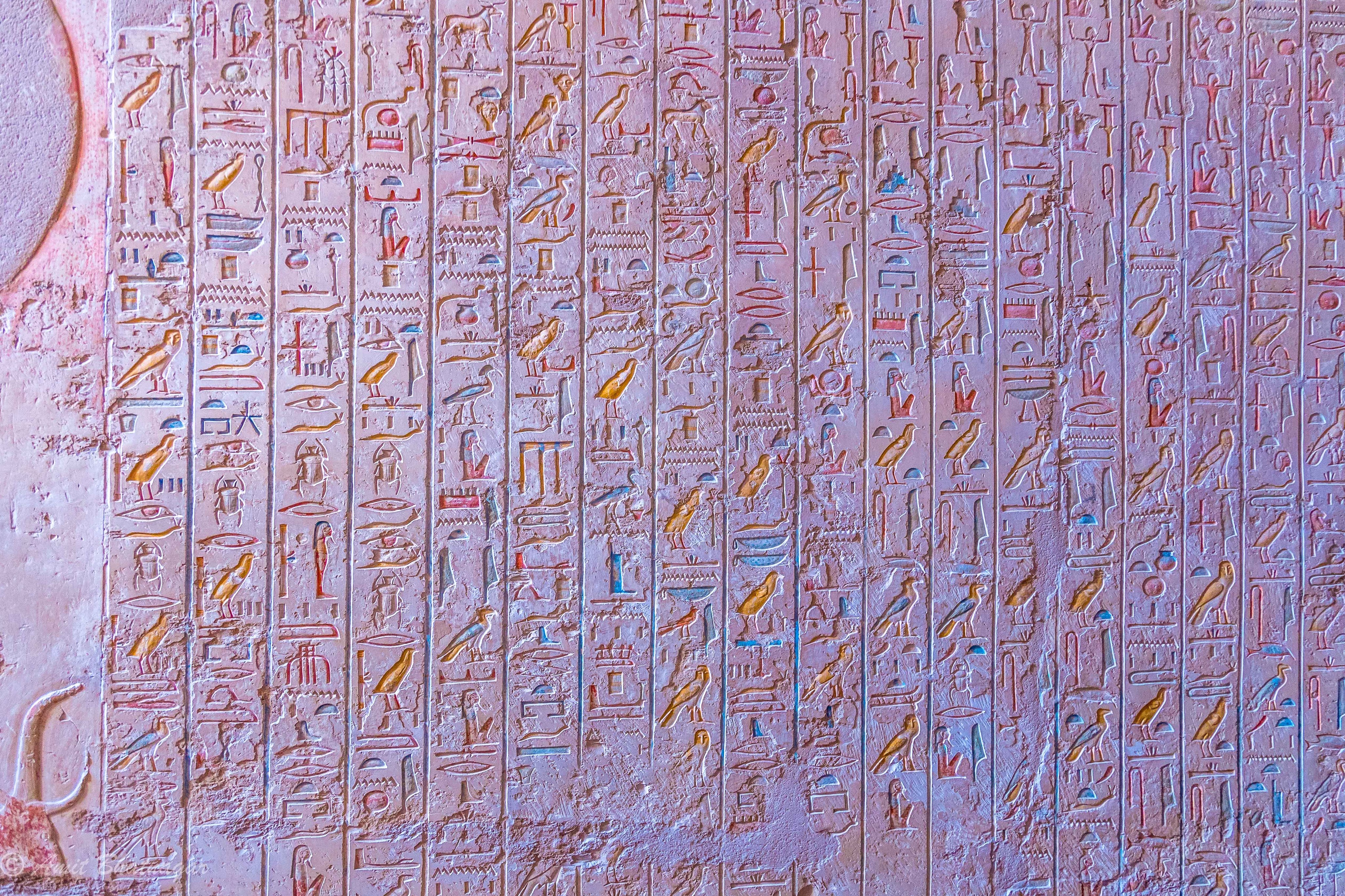


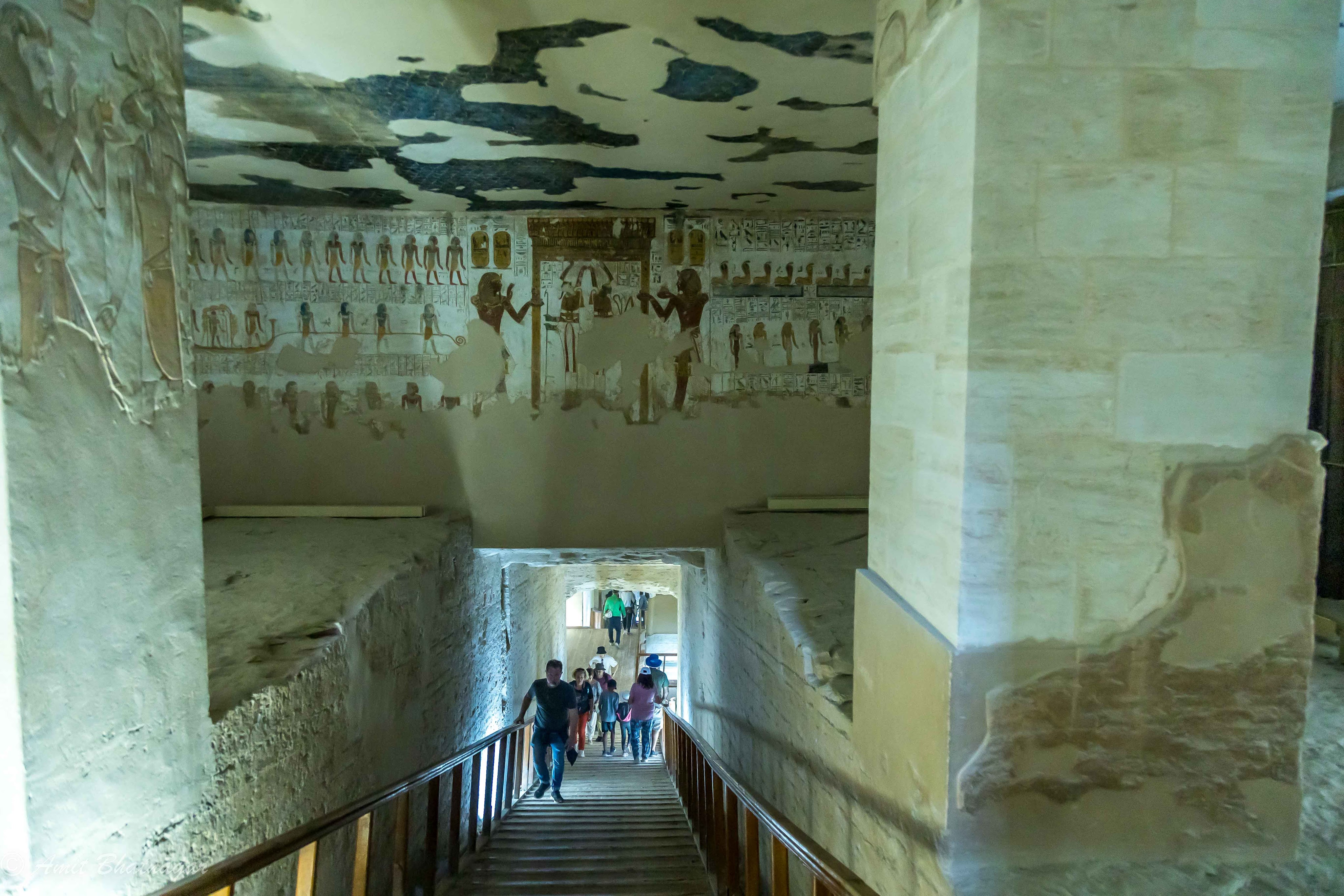
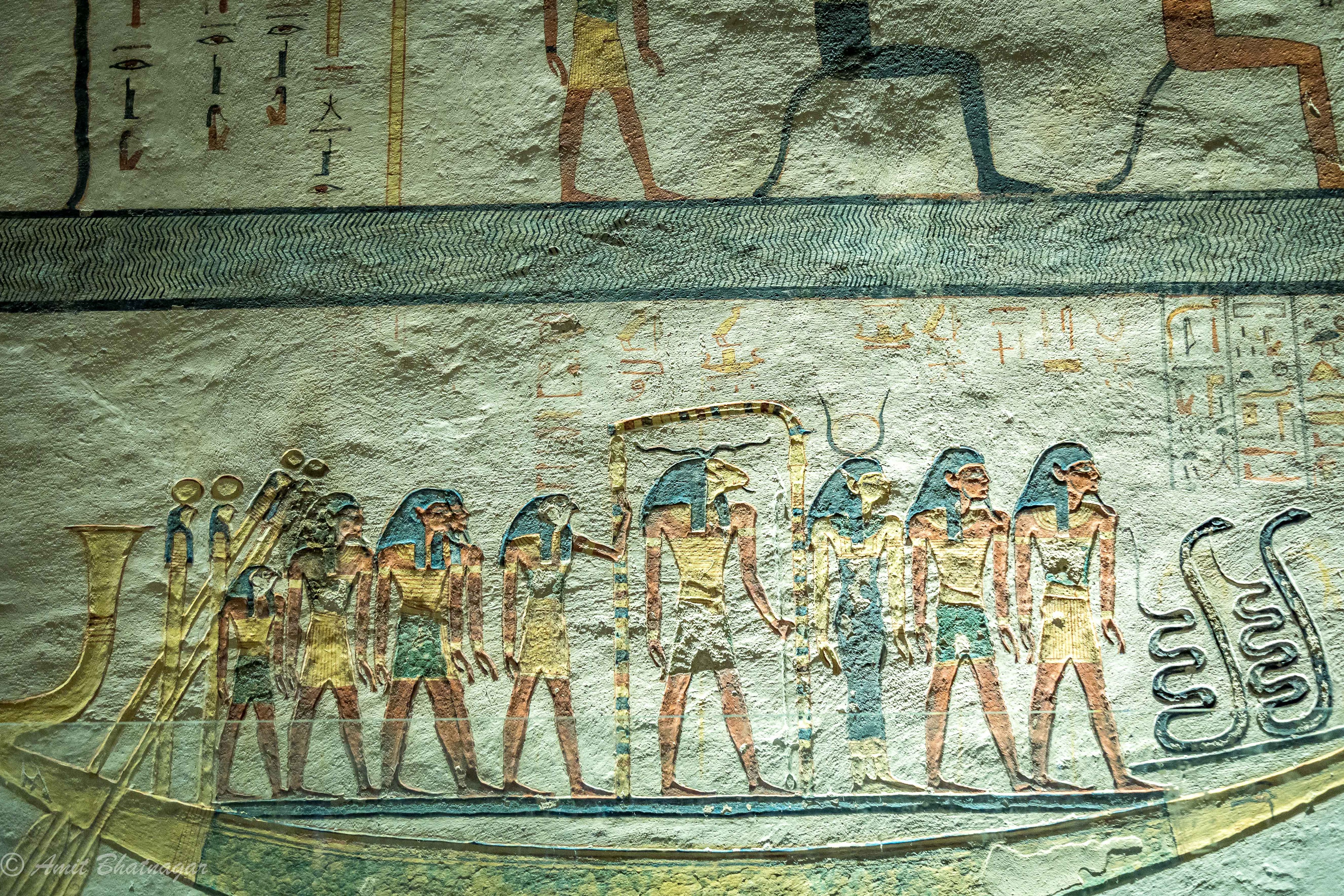
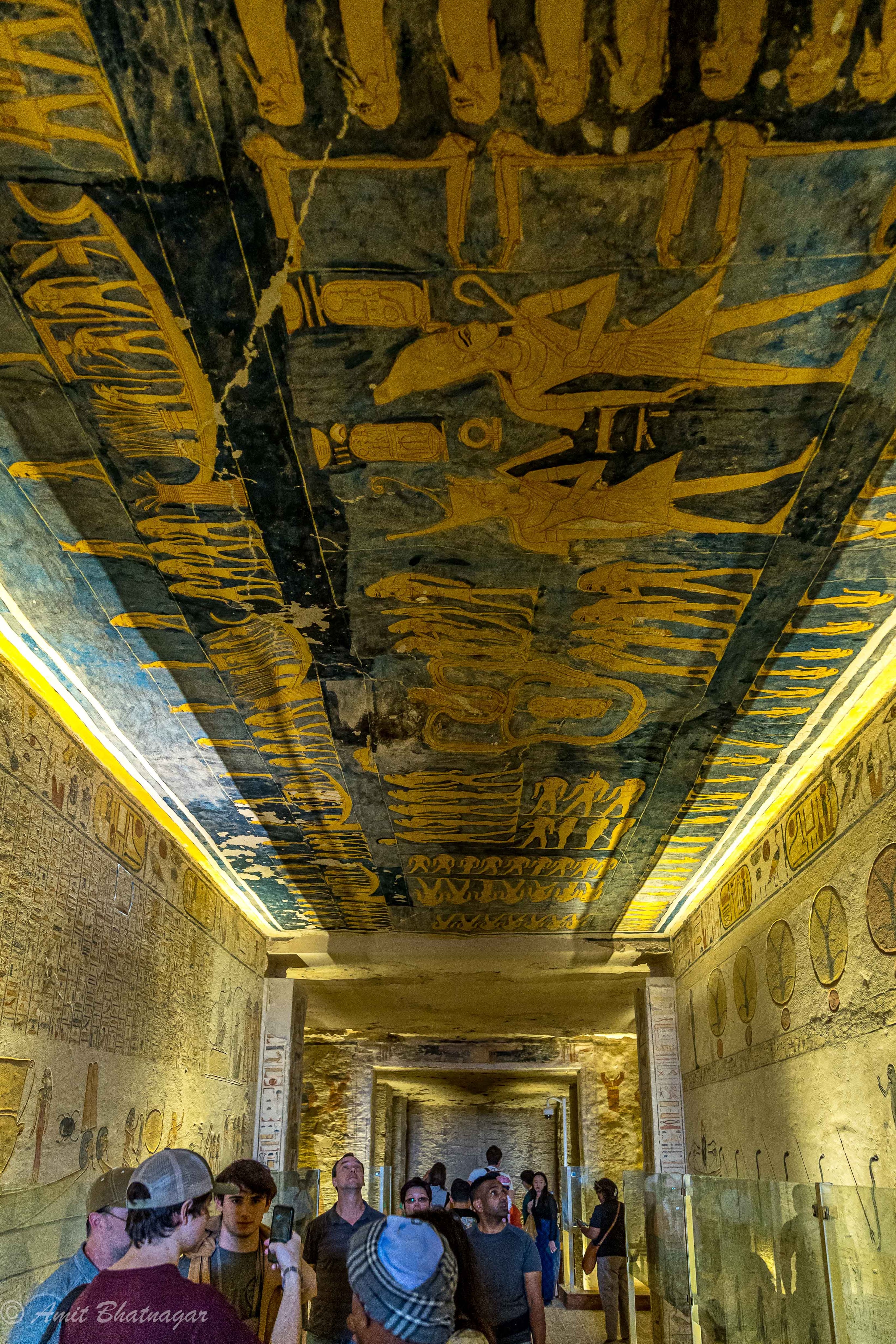

Top Gallery – Valley and the Tomb of Merenpetah; Middle Gallery – Tombs of Ramses III and Ramses IX;
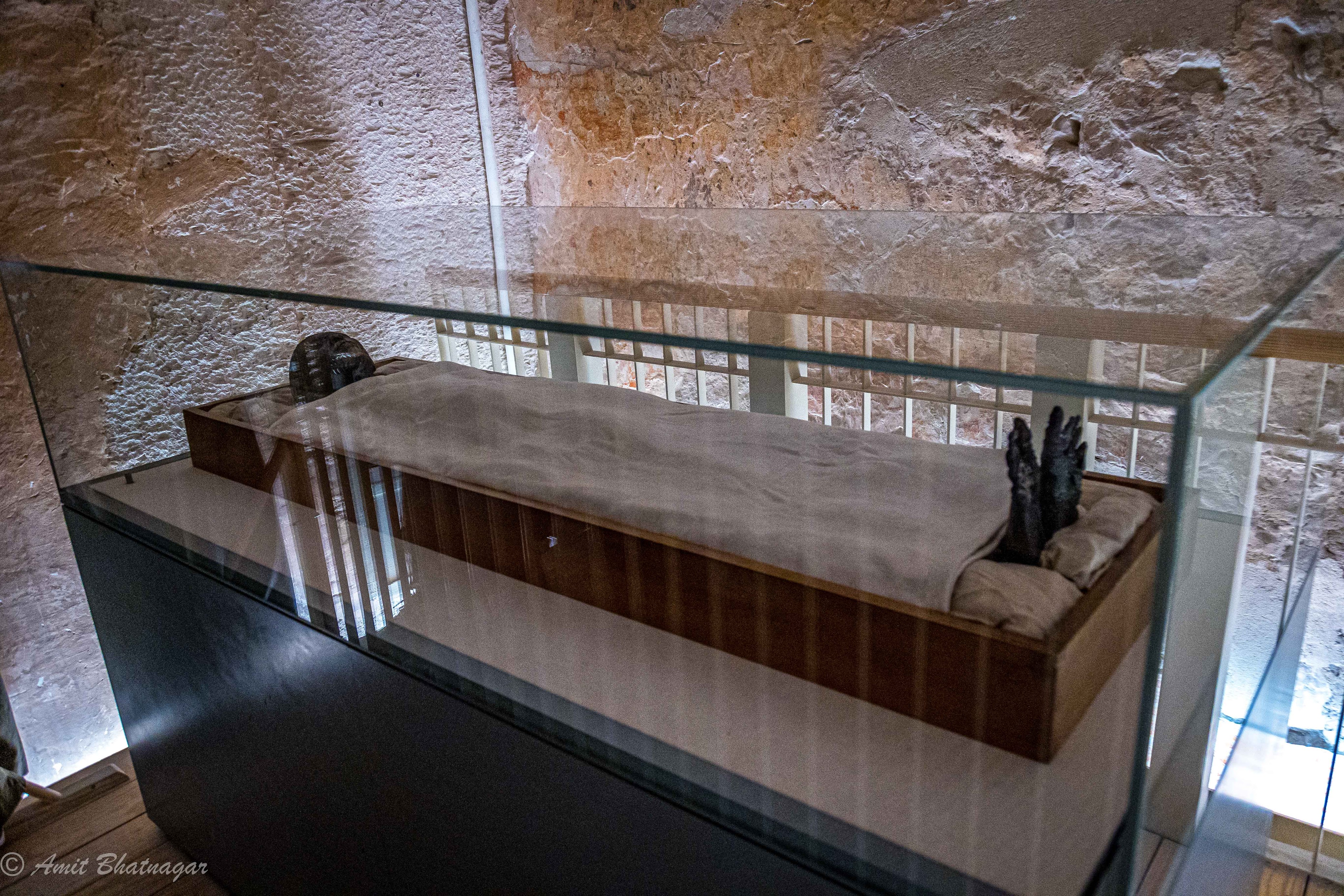
I then paid extra to see the tomb of Tutankhamen. This is the only tomb that has the mummy still inside, though in a humidity-controlled glass box. The paintings on the side walls and the structure as very well preserved, though it is a small tomb- he ruled for only 9 years, but the tomb was only discovered in the 20th century and the discovery was well documented.

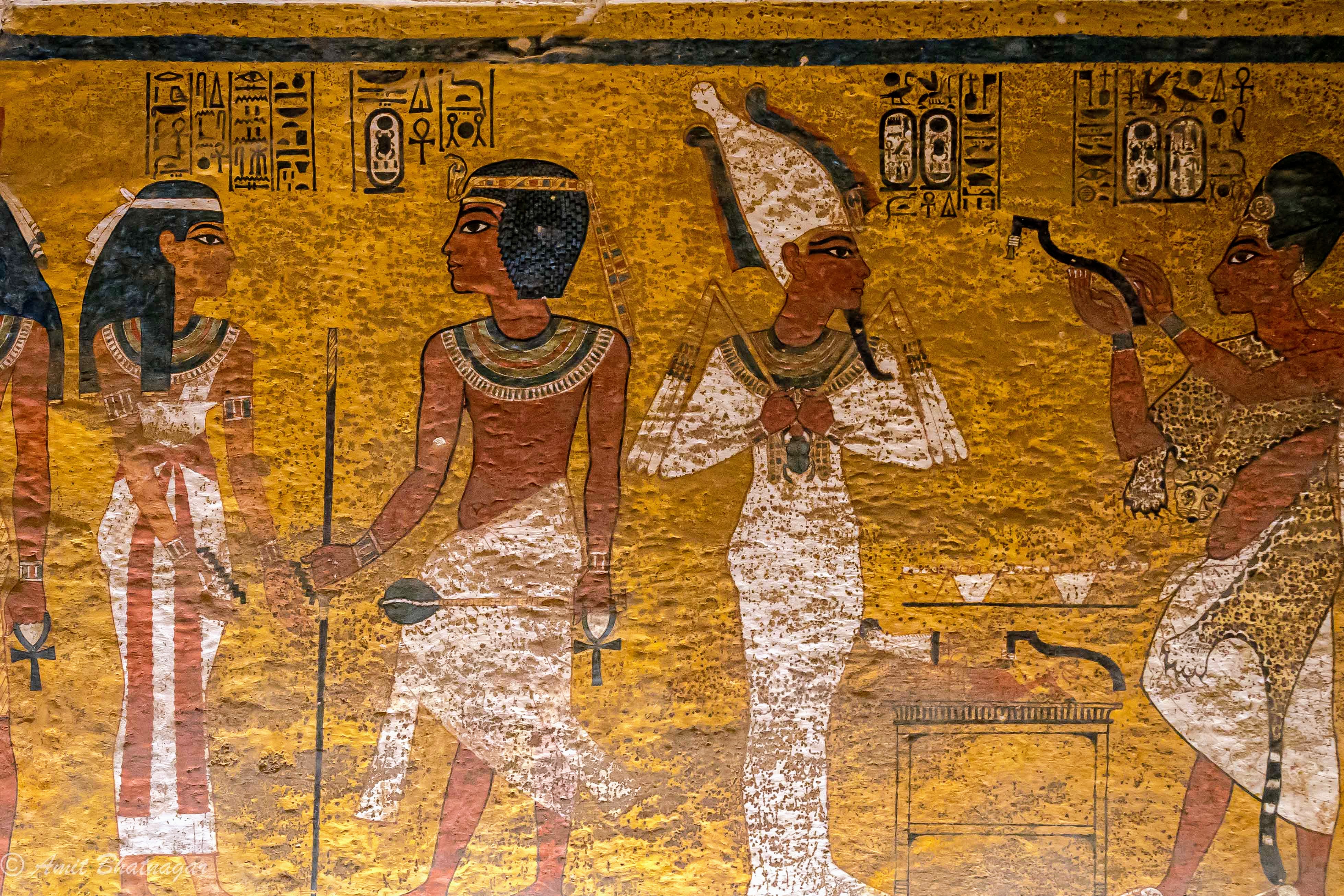

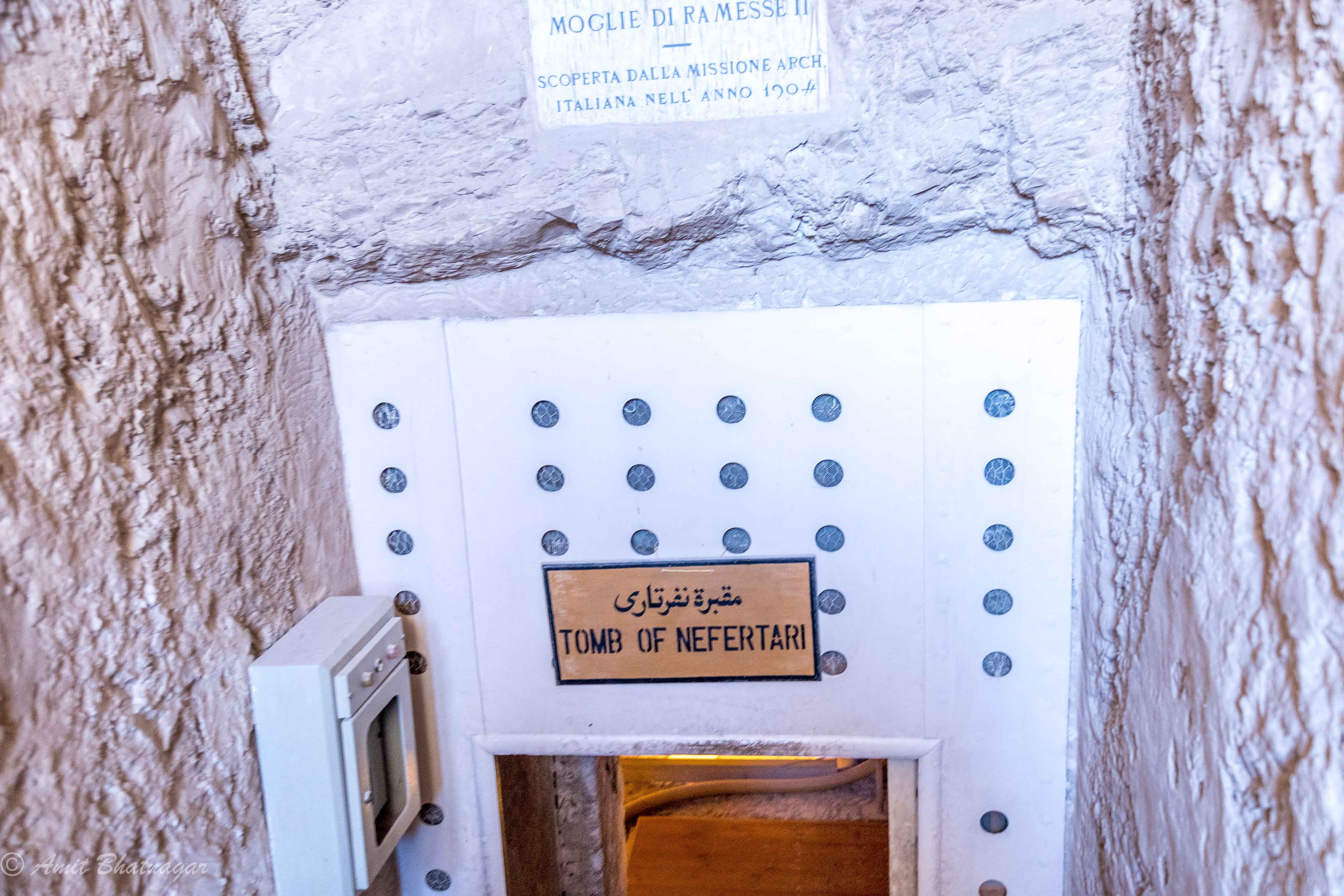
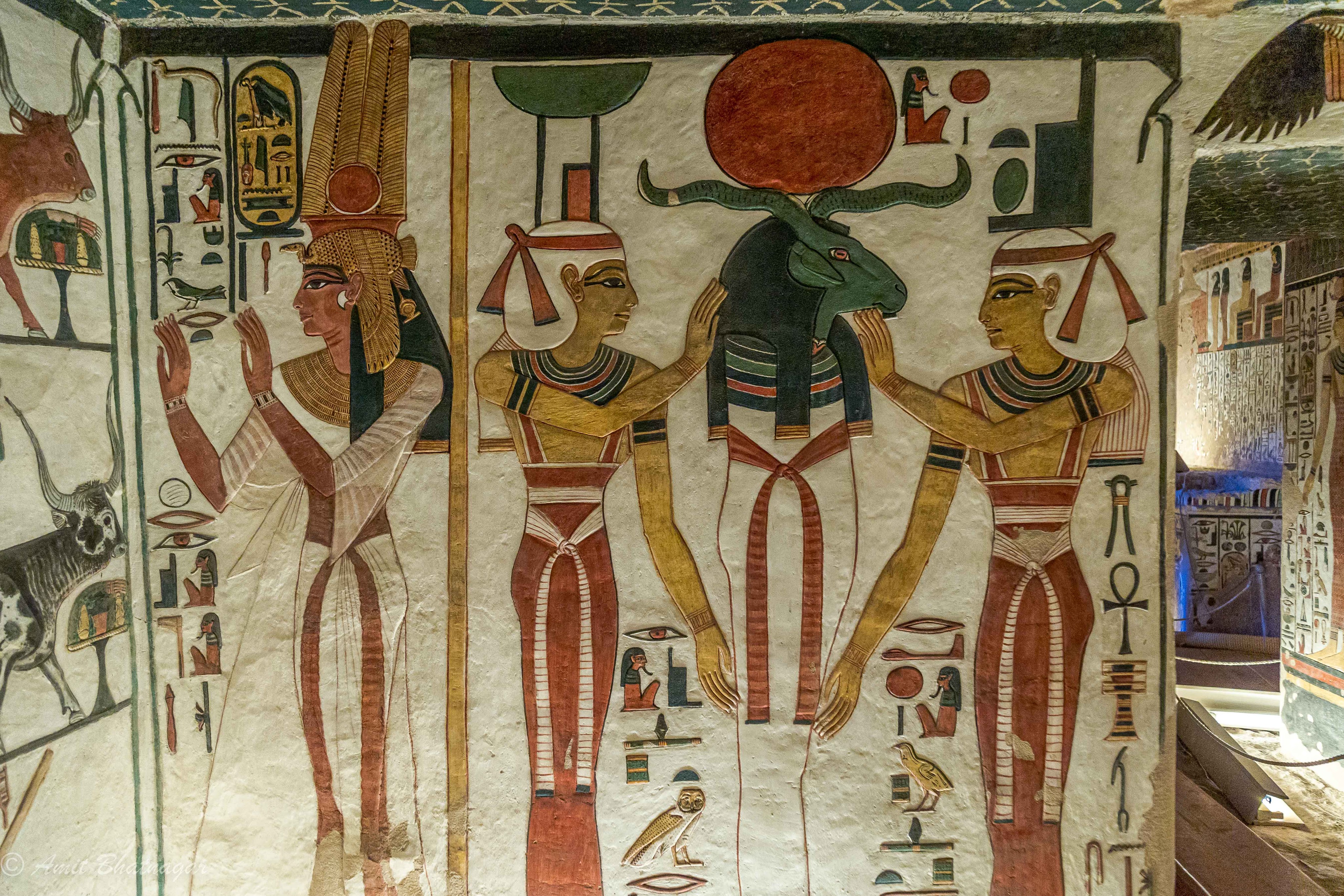
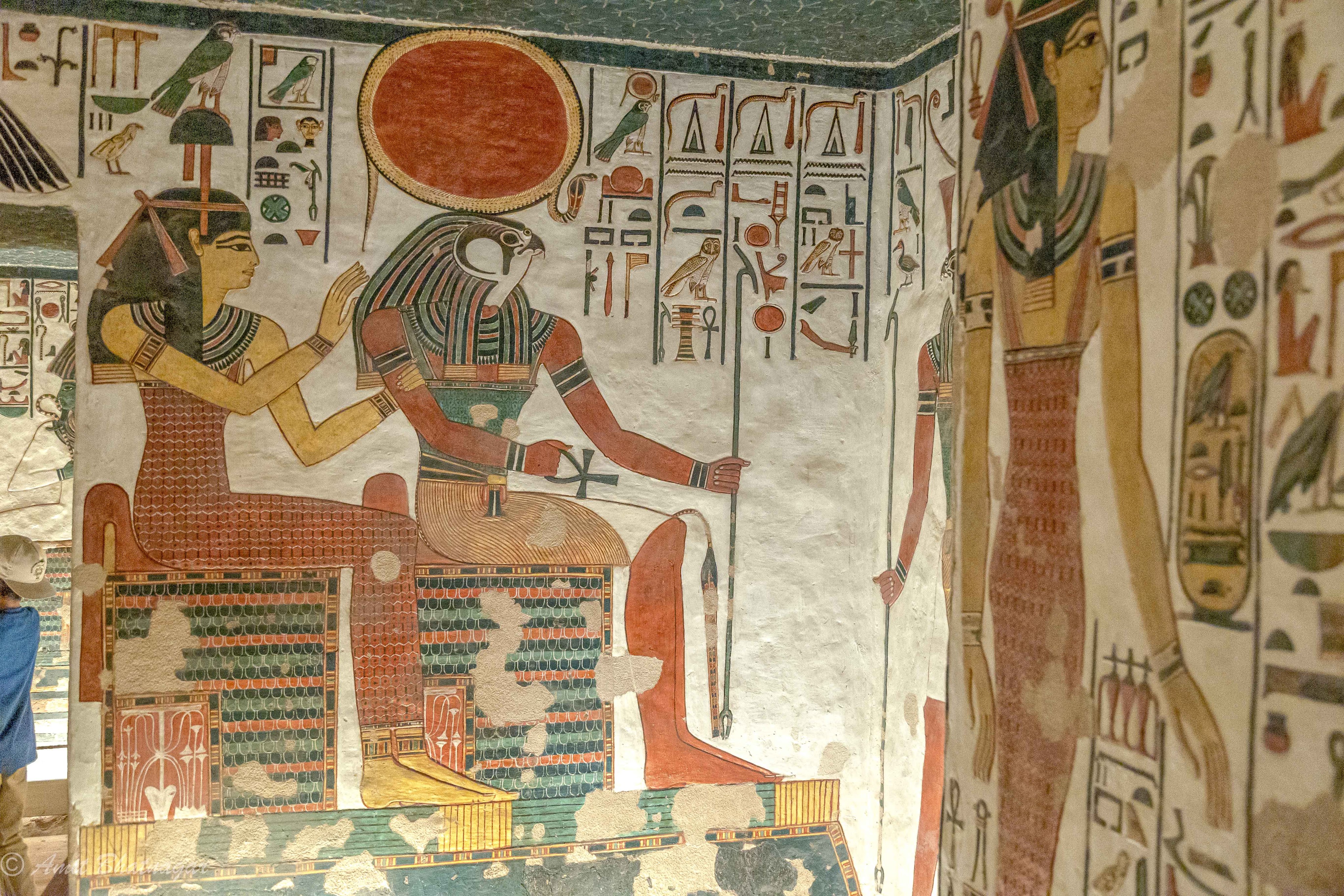
We then slipped to the other side of the hill to the Valley of Queens. There are only a handful of tombs here and nothing much to see unless you shell out the USD60 per person for ten minutes inside the tomb of Nefertari, the favorite consort of Ramses II. This is easily the most spectacular of them all. You can pay the guards a bit to stay inside longer and use a DSLR for photography – it is clearly worth it. The paintings of the queen’s life and interactions with Gods are spectacular and the colors are amazingly well preserved. It blew my mind that theese were a few thousand years old.
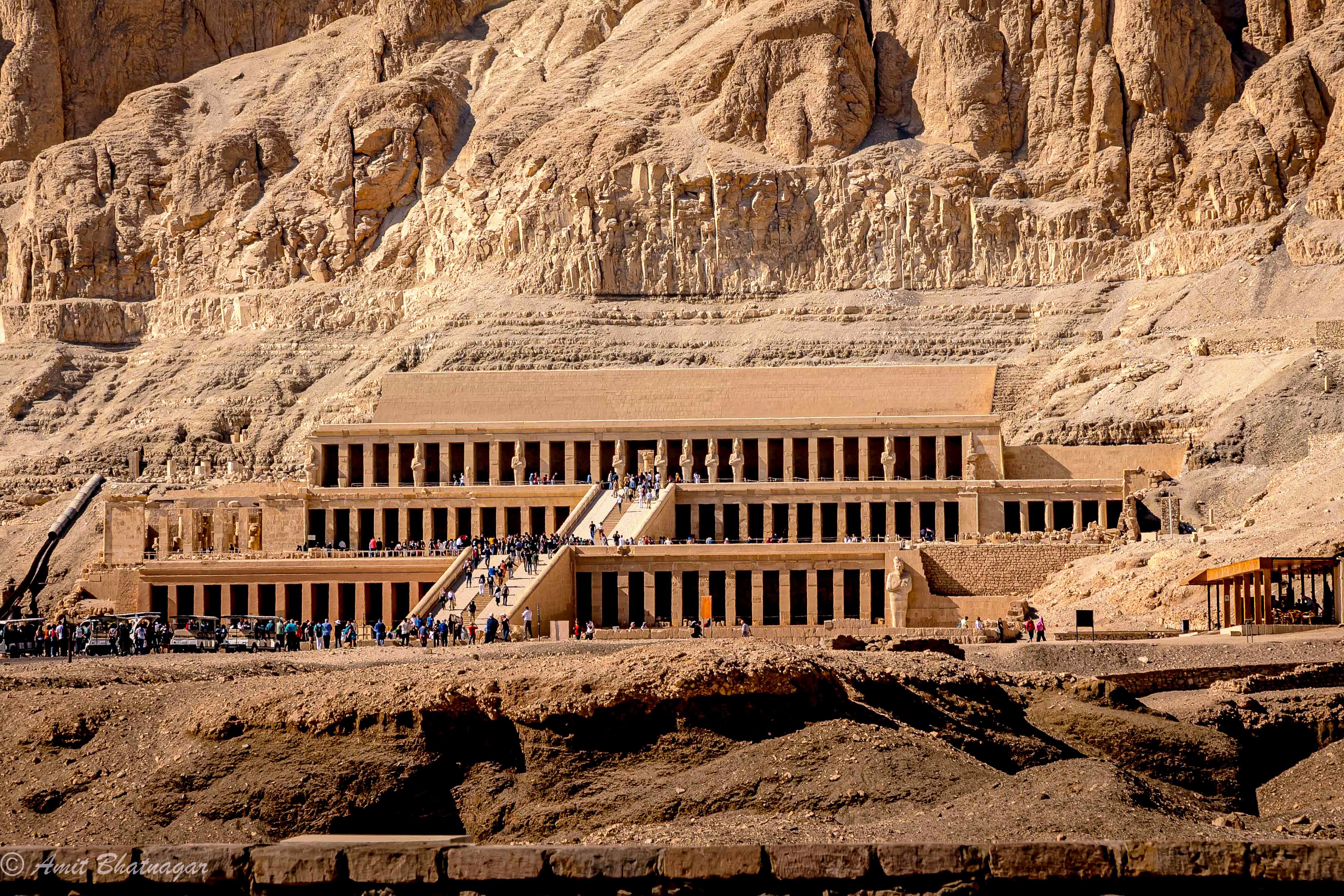
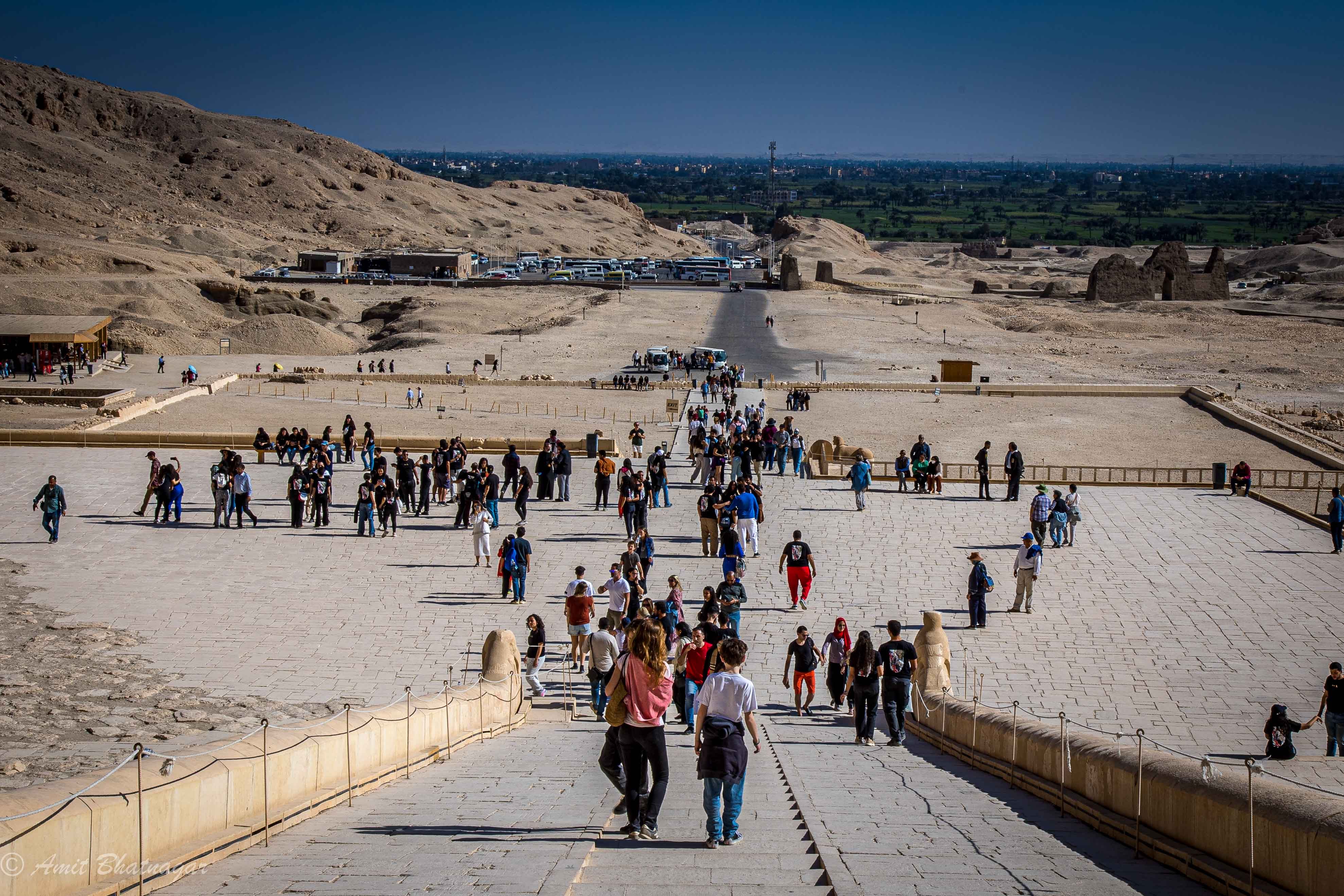
Post the King’s valley, we made a stop at the temple of Queen Hatshepsut, an imposing structure at the entry point of the valleys. This three-level mortuary temple is considered a masterpiece of ancient architecture. The construction was started 3500 years ago and it is mind-boggling how such a large and complex structure was built at the time. Records have it that the designs were modified several times. There have been several modern additions in the reconstrction to make the temple more accessible. The paintings and wall sculptures inside aren’t in the best state of preservation, but the overall temples lived to tell the tales. The inside chamber dedicated to the God Amun is also well preserved.
We then slipped to the other side of the hill to the Valley of Queens. There are only a handful of tombs here and nothing much to see unless you shell out the USD60 per person for ten minutes inside the tomb of Nefertari, the favorite consort of Ramses II. This is easily the most spectacular of them all. You can pay the guards a bit to stay inside longer and use a DSLR for photography – it is clearly worth it. The paintings of the queen’s life and interactions with Gods are spectacular and the colors are amazingly well preserved. It blew my mind that theese were a few thousand years old.

A quick Egyptian lunch later we headed to the final few sites – the Colossi of Memnon and the mortuary temple of Ramses III, which was really under restoration, so quite messy. None of them compared to the grandeur of the sites we had seen today, but these were still good, quick stops.
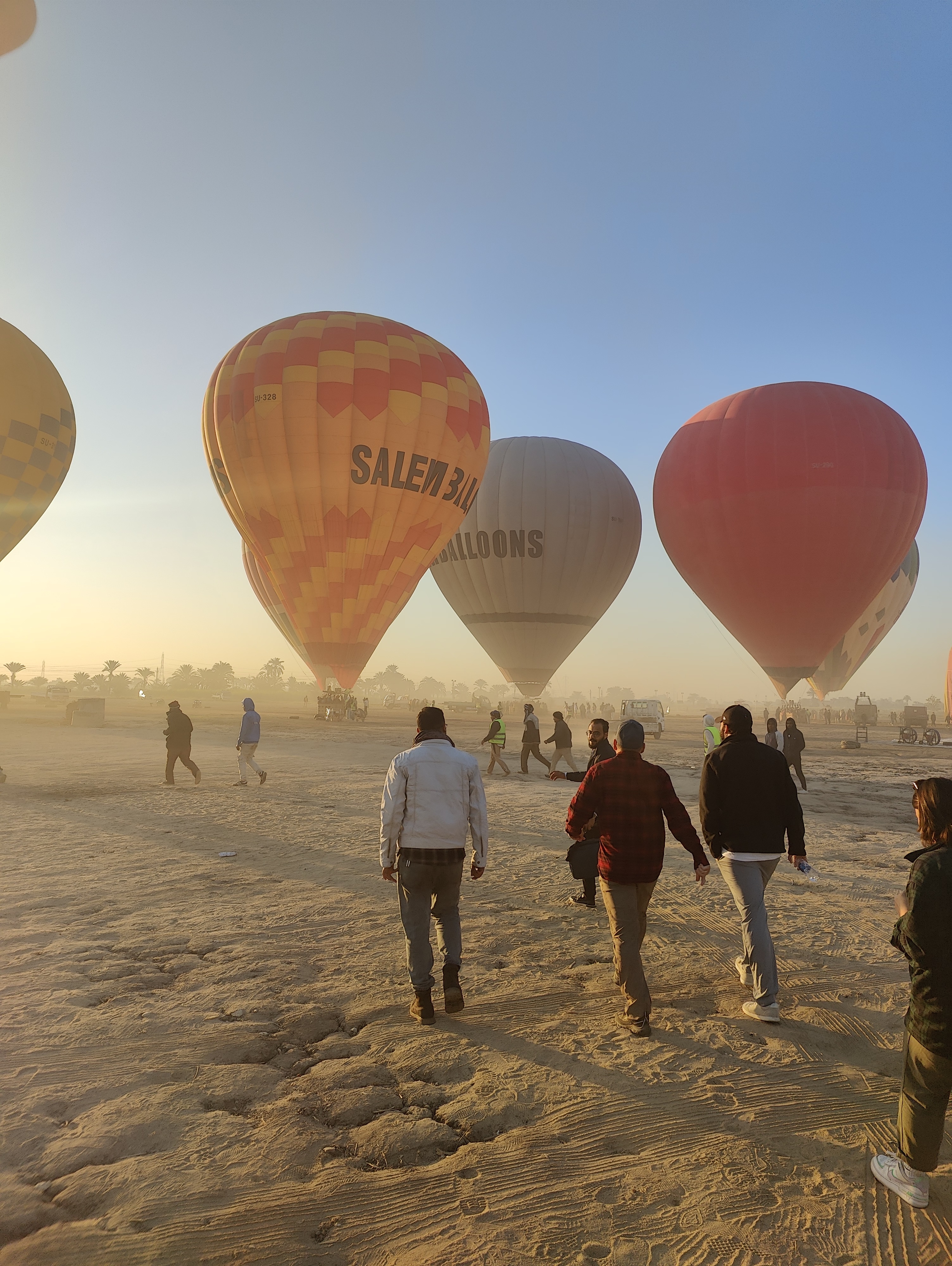
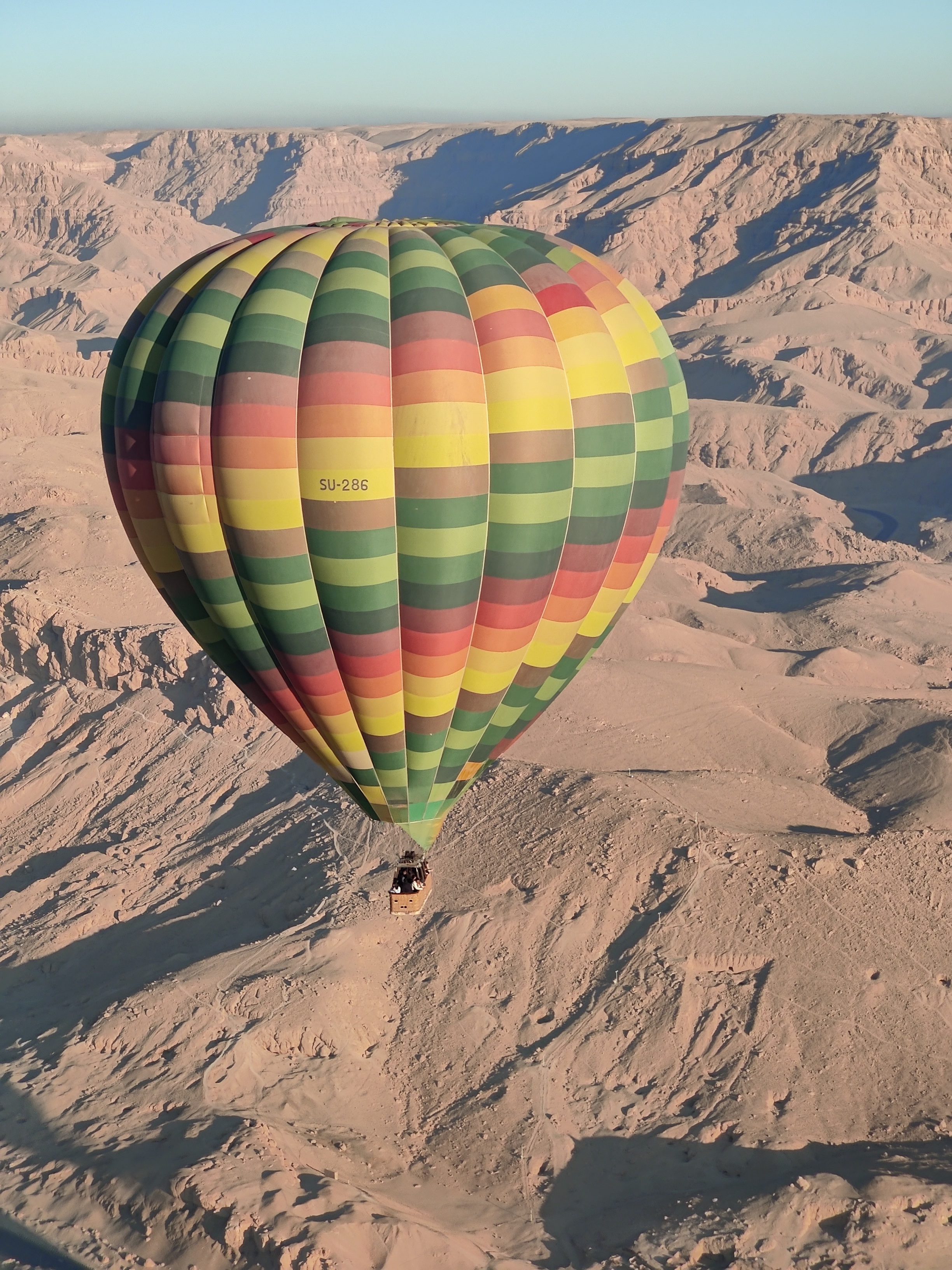
There was still a lot to be done in the city, but it had been a long day. We spent the evening at the hotel getting some rest. Some friend’s happened to also be in town, so we walked down to the cruise boat docking area to meet them, a short walk away. The following morning was an early start with a hot air balloon ride. I had never been on a balloon and I have severe acrophobia, so I wasn’t quite sure how it would go. We were picked up from the hotel just before dawn in a shared van and were dropped at dock on the Nile. A boat ferried us to the west bank of the river and the toar started while we were on it. We were served tea and biscuits and given the safety instructions. On the other side, another car took us to a large open field where a lot of baloons were in different stages of flight. We were taken to our ride and soon were airbourne. The view was incredible and the ride was not scary at all. The baloon rose and decended very slowly. The landing was a little rough and we had touched down near a farmer’s field and he was visibly upset about the possible crop damage.

We came back to the hotel for breakfast and just after I had booked an afternoon tour of the two large temples of the city – Karnak and Luxor. In the time before lunch, we visited the mummification museum and the museum of Luxor. The museums were nice but getting there was just another story – one for the blog on thugs of Egypt.
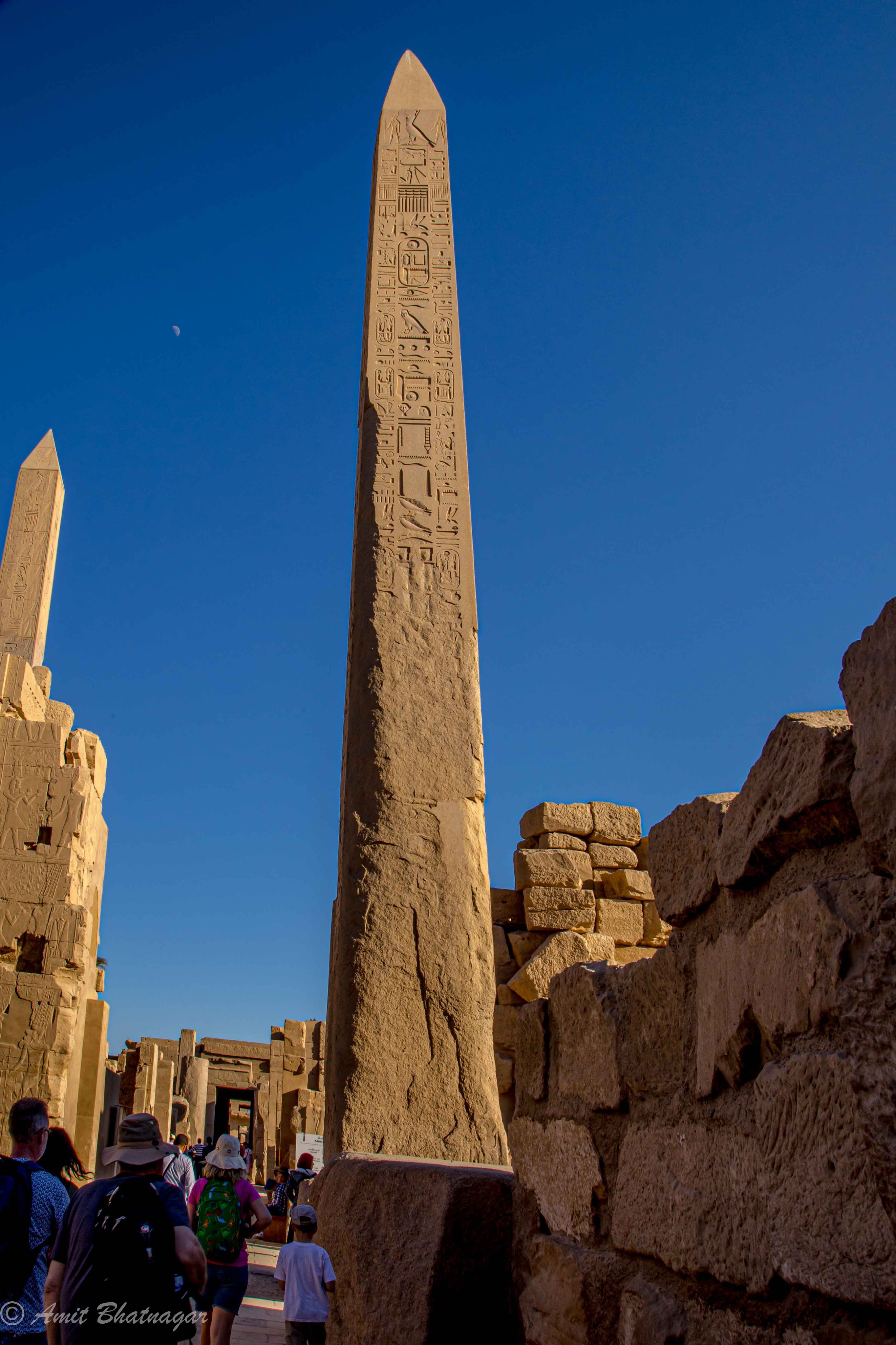
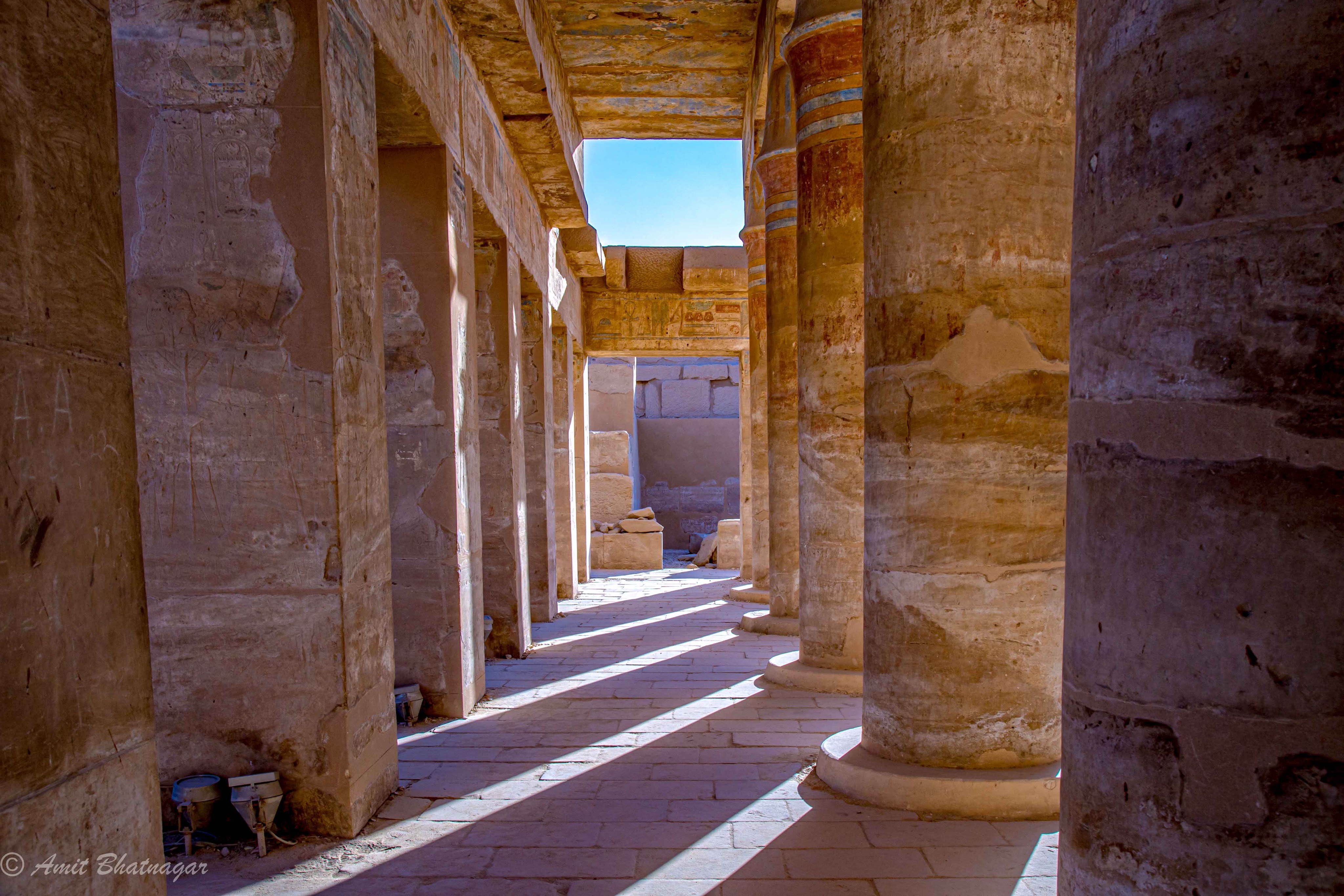
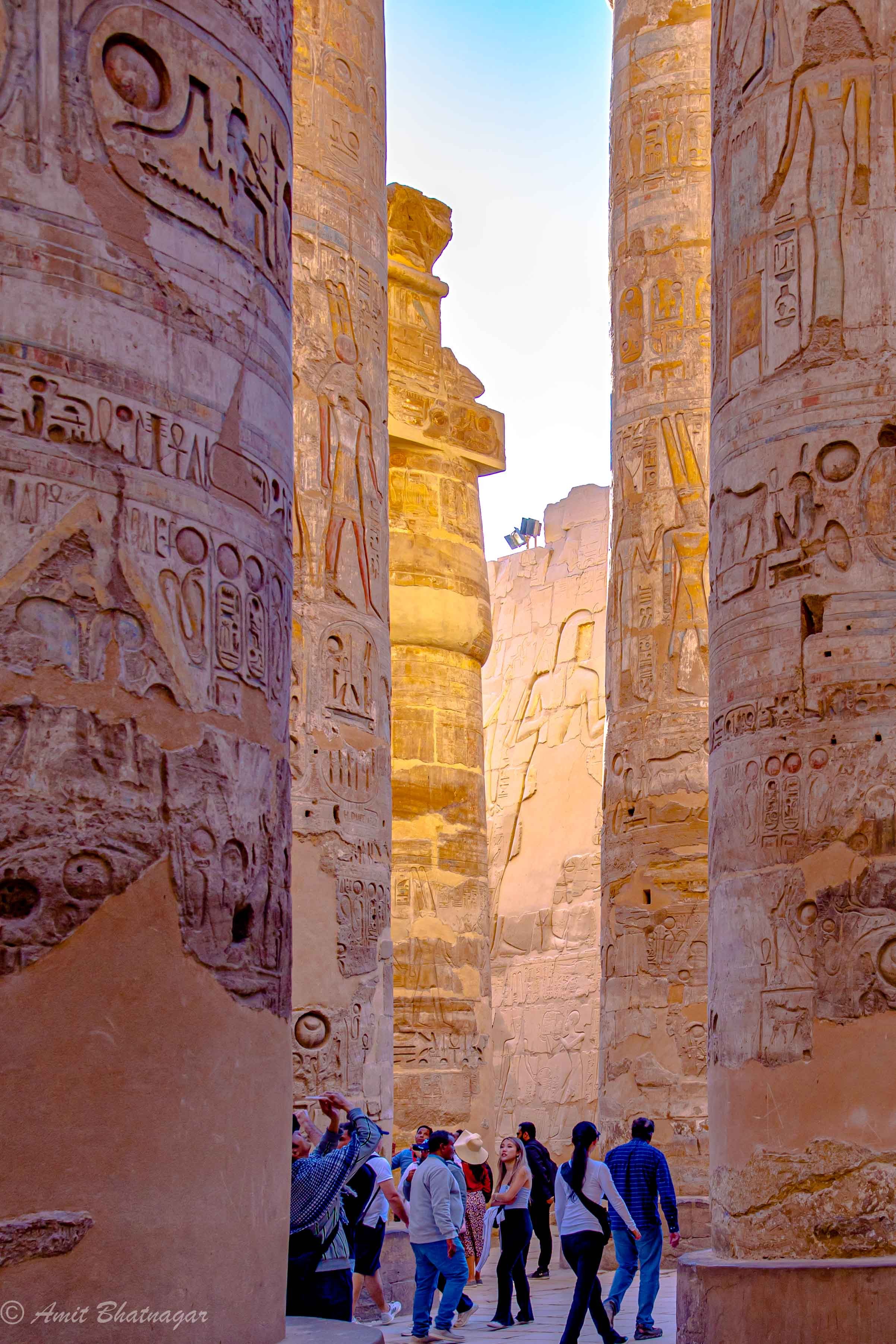
Our afternoon tour started with the larger of the two temples – Karnak. The place is just massive. It is hard to believe how big that temple would have been, There are several large areas that come together as the ruins of Karnak. There is a large obelisk that has several stories behind it and many ornate pillars and walls. It was a pretty long and tiring walk and we used up almost all of the 1 hour the guide had given us as free time. There is a lot of history, a number of stories behind each painting and sculpture, but the one that you will notice most is the size.
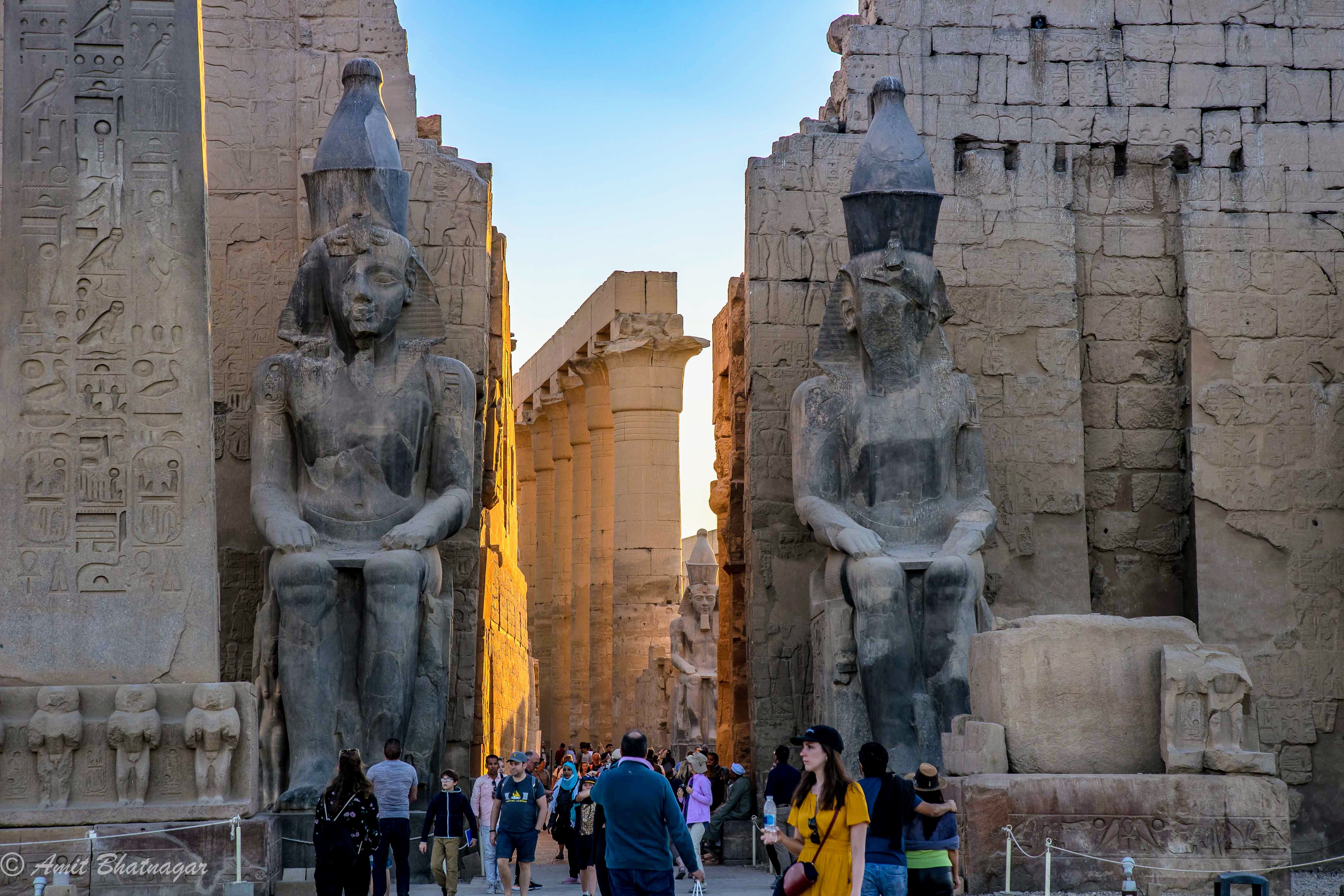
The next stop was the Luxor monument, a massive open temple, right in the center of the city. The temple is – let us just say massive and so central to the city, it’s crazy. While it is not in the best state of maintenance and misses a roof, it has some amazing stories sculpted on its walls including those around Alexander the Great and his being proclaimed a Pharoah. Its a long walk in the sun, though it is one of the few Egyptian monuments that is open after Sunset, which LED lighting glorifying its structure. There are a lot of stories to different parts of the temple making it a historic and visual delight.

The day was one of the most happening in the whole trip, but it did have to end with a dud. We decided to see the light and sound show at the Karnak temple – managed to get some tickets but the show that suited our time was in French. We did get an audio guide in English but it didn’t really work well and it anyway was a pretty lousy show… so I will leave it at that.
 Eat Travel Click